


Pimsleur | Language Learning
4.14.08K Reviews
App Specs
- Version
- 7.9
- Updated On
- License
- Free
- Downloads
- 1,000,000+
- Developer
- Simon & Schuster
- Categories
- Education
- Platform
- Android, iOS
Screenshots

 Analysis by AppCompare
I find Pimsleur | Language Learning most useful when I want to practise speaking without having to carve out time for a class or sit in front of a screen. It’s an education app from Simon & Schuster built around spoken lessons, so its main appeal is clear: you listen, respond aloud and get used to forming everyday phrases. The approach suits a learner who wants to build confidence through repetition, though it is not a complete substitute for reading, writing or conversation with another person.
What the current version is built for
The app is free to download and rated for Everyone, but access to learning content involves in-app purchases, with individual items ranging from $0.49 to $479.99. I’d treat that wide range as a reason to check the terms and content shown in the app before committing, rather than assuming every course or purchase works the same way. There is a free trial mentioned in the published review below, but I would still check the current offer and renewal details directly before starting one.
Its scale is substantial: Pimsleur has over a million installs and an average rating of 4.2 from around 15,000 ratings. That suggests a large audience, but those figures are not a guarantee that the method will fit your learning style. The app’s current version is 7.3, and it runs on Android 7.0 or later. It was released on July 13, 2018; that history gives the product a long presence, but the version number alone does not tell me which specific changes have been made over time.
What its audio-first routine feels like
The central strength is that a lesson asks you to listen carefully and retrieve language, rather than simply recognize a word on a screen. That distinction matters. Spotting the right answer in a multiple-choice exercise can feel reassuring, but recalling a phrase when prompted is closer to what you need in an actual exchange. I’d use the lessons as focused speaking practice, especially if I feel hesitant about responding quickly.
The format also makes it easier to build practice into an ordinary day. I could start a lesson during a walk or while doing a simple household task, then pause when I need full attention. For better retention, though, I would not treat every lesson as background audio. When a prompt asks for a response, stop what you are doing and say the answer aloud; silently thinking it is easier, but it skips the muscle-memory practice that makes speaking feel less awkward.
One practical workflow is to repeat a lesson’s challenging moments after the main session rather than replaying the whole thing without a goal. I’d note the phrases that took me too long to recall, then try to produce them again later without looking at a translation. That makes review more deliberate and helps reveal whether I genuinely remember a phrase or merely recognize it when the audio supplies the answer.
Where it fits among language-learning options
Compared with apps that emphasize visual drills, streaks or quick vocabulary rounds, Pimsleur gives more of its attention to listening and speaking. That makes it a sensible choice for someone preparing to greet people, ask basic questions or handle predictable travel interactions. It is less compelling if your first priority is spelling, grammar explanations or reading a long passage. In those cases, I’d pair it with a resource designed for written practice or choose a course that puts those skills first.
Worth Reading Before You Choose

EA SPORTS FC Mobile 26 Is a Bigger Football Game, but It Takes Time

Flipboard Shows What News Apps Must Do Beyond the Feed

Switching to Android Auto Means Rethinking Your Driving Routine

Google Calendar Makes a Crowded Week Easier to Manage

Ludo King Makes the Most of the Minutes Between Plans

Baby Panda World Brings Quick Play to Modern Phones, but Its Game Library Feels Busy
It also differs from a live tutor or language exchange. Those options can expose you to spontaneous replies, different speaking styles and the social pressure of keeping a conversation moving. Pimsleur offers a more controlled way to rehearse, which is useful for building a foundation but cannot recreate the unpredictability of talking to another person. I’d see the app as preparation for conversation, not proof that I’m ready for every conversation.
Who is likely to benefit, and who may not
I’d recommend trying this approach if you learn well by hearing and repeating, have a commute or regular walking time, or want to practise phrases without arranging a lesson with someone else. It can also help a returning learner who remembers some vocabulary but needs to get comfortable speaking again. The audio format lowers the barrier to beginning, which is valuable when opening a workbook feels like too much effort.
I’d be more cautious if you prefer to see every new word written down, need detailed grammar teaching, or want free access to a full course. A learner who is studying for a written exam may need a more balanced system, while someone who already speaks at a basic level may benefit more from live conversation and corrections. The best choice depends on the skill you need next, not on a general promise of fluency.
For a realistic routine, imagine using a lesson on the way to work, then spending a few minutes later saying the phrases again from memory. On a day when you cannot focus, I would skip the lesson instead of letting it become passive noise. Consistent attention is more useful than pressing play just to keep a routine alive, and a shorter, intentional review can be a better use of time than an unfocused session.
Getting Started with Pimsleur
Kicking things off, downloading and setting up the Pimsleur | Language Learning app is a breeze. Available on both Android and iOS, it’s ready to go with just a few taps. Upon opening, you’re greeted with a clean and intuitive interface that's all about getting you straight to learning. No clutter, just a straightforward path to fluency.
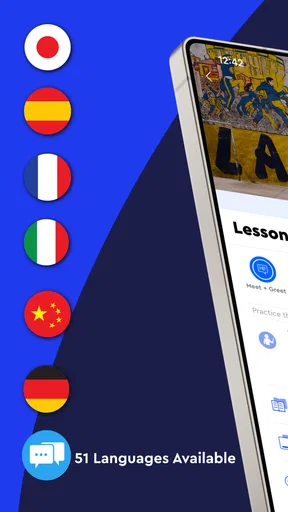
Once you've set up an account, the app prompts you to choose a language. The selection is vast, covering over 50 languages from Spanish and French to less common options like Swahili and Tagalog. So, whether you're brushing up on high school French or tackling Mandarin for the first time, Pimsleur has you covered.
The Learning Approach
Here’s where Pimsleur really shines. The app uses a unique audio-based method that emphasizes listening and speaking, rather than reading and writing. It’s like having a personal language tutor in your pocket. Each lesson is designed to be about 30 minutes long, which is perfect for fitting into a commute, a workout session, or even a quick break during your day.
One of the coolest features is its reliance on spaced repetition to reinforce learning. The app revisits words and phrases at strategic intervals to help cement them in your memory. Plus, the focus on conversational skills means you’re not just learning words in isolation; you’re understanding context and usage, which is key when you’re trying to sound like a native.
Features and Functionality
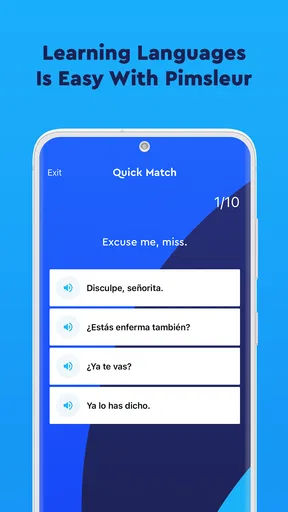
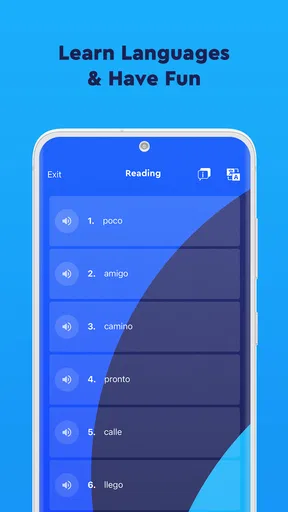
Beyond the basic lessons, Pimsleur offers some neat extras. There are reading lessons that accompany the audio sessions, letting you see the language written out, which I found helpful for grasping trickier words. For those who like a challenge, the app includes flashcards and quizzes to test your knowledge.
One feature I particularly loved was the ability to download lessons for offline use. This means you can keep learning even when you’re off the grid, making it perfect for long flights or remote getaways. The app syncs across devices, too, so you can pick up right where you left off, whether you’re on your phone or tablet.
Is Pimsleur Worth It?
So, let’s talk about whether it’s worth the investment. Pimsleur offers a free trial, which is a great way to dip your toes without committing. After that, it’s a subscription model. Some might find the price a bit steep compared to other apps, but considering the quality and the effectiveness of the method, I’d say it’s a fair trade-off for serious learners.
What stands out is the app’s focus on practical language use. If your goal is to hold real conversations, rather than just know a bunch of vocabulary, Pimsleur is a fantastic option. It's perfect for anyone who wants to learn on the go, especially auditory learners who benefit from listening and repeating.
The Verdict
In the world of language learning apps, Pimsleur | Language Learning holds its ground as a top contender. Its unique approach to teaching through listening and speaking is a refreshing change from traditional methods. While it might not replace a classroom experience entirely, it complements it beautifully and provides a flexible, effective way to learn a new language.
If you're ready to try something that could genuinely get you speaking a new language in practical, real-world situations, I’d recommend giving Pimsleur a shot. It’s engaging, efficient, and most importantly, it works. So, go ahead and download it, and soon enough, you might find yourself chatting away in a language you once thought impossible to learn!
Making the routine work for you
The most useful way to judge progress is not whether a phrase feels familiar while the lesson is playing, but whether you can bring it back when prompted. I’d occasionally revisit a topic after a gap and listen for the parts that still require effort. If the response comes easily, move on; if it does not, repeat that material with attention rather than racing through more lessons. This simple check helps keep practice tied to recall instead of completion.
Reading support, flashcards and quizzes can help fill in some of the gaps left by an audio-led course, but I would use them with a specific purpose. After hearing a phrase, look at the written form to connect sound and spelling; then return to speaking without relying on the text. That sequence is more useful to me than keeping the written prompt visible throughout, especially when the goal is to answer aloud in real time.
Offline lessons are particularly handy when a connection is unreliable, but downloading content is most valuable when it is part of a plan. Before a trip or a stretch of commuting, I’d prepare the lessons I expect to use and choose a realistic time to complete them. I would not assume that having material on the phone automatically makes study happen: deciding in advance whether a walk, a train ride or a quiet break is the right setting makes the feature more useful.
Questions to settle before paying
A common practical question is whether someone can learn with audio alone. For basic listening and spoken practice, the format gives you a clear starting point, but I would not rely on it alone if reading and writing matter to my goal. Use the accompanying written activities where available, and add another learning method if you need sustained work on spelling, grammar or longer texts.
Another question is whether it works for beginners or only for people who already know some of the language. The app asks you to choose a language and offers lessons intended to teach it, so a beginner can use it as a starting point. Still, a complete beginner should expect to need patience: being prompted to answer aloud can feel demanding at first, and repeating a difficult phrase is part of the process rather than a sign that the method is failing.
If you are unsure about the cost, take time to inspect the purchase options before starting a trial or choosing a plan. The app is free to install, but that does not mean the full learning experience is free. I’d check what access is included, how billing works and whether the selected option matches the amount of practice I will realistically do. That is more useful than choosing based on the app’s overall reputation alone.
What I would keep in perspective
The polished, guided format can make it easier to start, yet confidence in a scripted exchange is not the same as managing an unpredictable one. A useful next step is to take phrases you have practised and try using them in a real conversation, even a brief one. If that is not possible, practise responding without replaying the prompt immediately. Either approach can show where the course has helped and where you still need exposure to natural replies.
Because version 7.3 is the current version noted here, I would look at future updates for practical improvements to the learning experience rather than infer a major teaching change from a version number. For existing users, the meaningful signs would be whether the app remains dependable for continuing lessons and whether its tools still support the way they study. A release date of July 13, 2018, places it among established language-learning apps, but age by itself is neither a reason to switch nor evidence that every learner will find it suitable.
My overall view is that Pimsleur is strongest as a structured speaking habit: it gives auditory learners a way to practise regularly, and its offline lessons and supporting exercises can make that habit easier to maintain. It is not my first pick for a learner who wants a free, all-skills course or detailed written instruction. If spoken confidence is the immediate goal and the purchase terms work for you, it is worth trying thoughtfully; if your needs are broader, pair it with a complementary resource or choose a method that puts those skills at the center.
Pros
- User-friendly interface and navigation.
- Wide range of languages available.
- Effective
- immersive audio lessons.
- Offline access for learning on-the-go.
- Proven method for quick language retention.
Cons
- Subscription required for full access.
- Limited visual content for learners.
- No community interaction features.
- Lacks in-depth grammar explanations.
- Higher cost compared to some rivals.
FAQs for Pimsleur | Language Learning
What is Pimsleur and how does it work?
Pimsleur is a language learning app that utilizes an audio-based method designed to help users learn new languages through listening and repeating. It focuses on teaching vocabulary and phrases that are useful in everyday conversation, promoting intuitive learning without relying heavily on visual aids or text.
How many languages can I learn with Pimsleur?
Pimsleur offers courses in over 50 languages, ranging from popular choices like Spanish, French, and Mandarin to less commonly taught languages like Icelandic and Pashto. This wide range allows learners to choose from a diverse selection of languages that suit their personal or professional needs.
Is Pimsleur suitable for beginners?
Yes, Pimsleur is ideal for beginners as it starts with the basics and gradually progresses to more complex language structures. The method emphasizes listening and speaking from the start, making it approachable for those with no prior knowledge of the language they wish to learn.
Can I use Pimsleur offline?
Yes, Pimsleur allows users to download lessons for offline use. This feature is especially convenient for learners who want to study while traveling or when internet access is limited, ensuring continuous progress without interruption.
Does Pimsleur offer any free trial or subscription options?
Pimsleur typically offers a free trial for new users, allowing them to experience a few lessons before committing. After the trial, users can subscribe to various plans, which might include monthly or yearly options, providing flexibility based on learning goals and budget.


